Regal Angelfish Care: Tank Size, Diet & Reef Safety
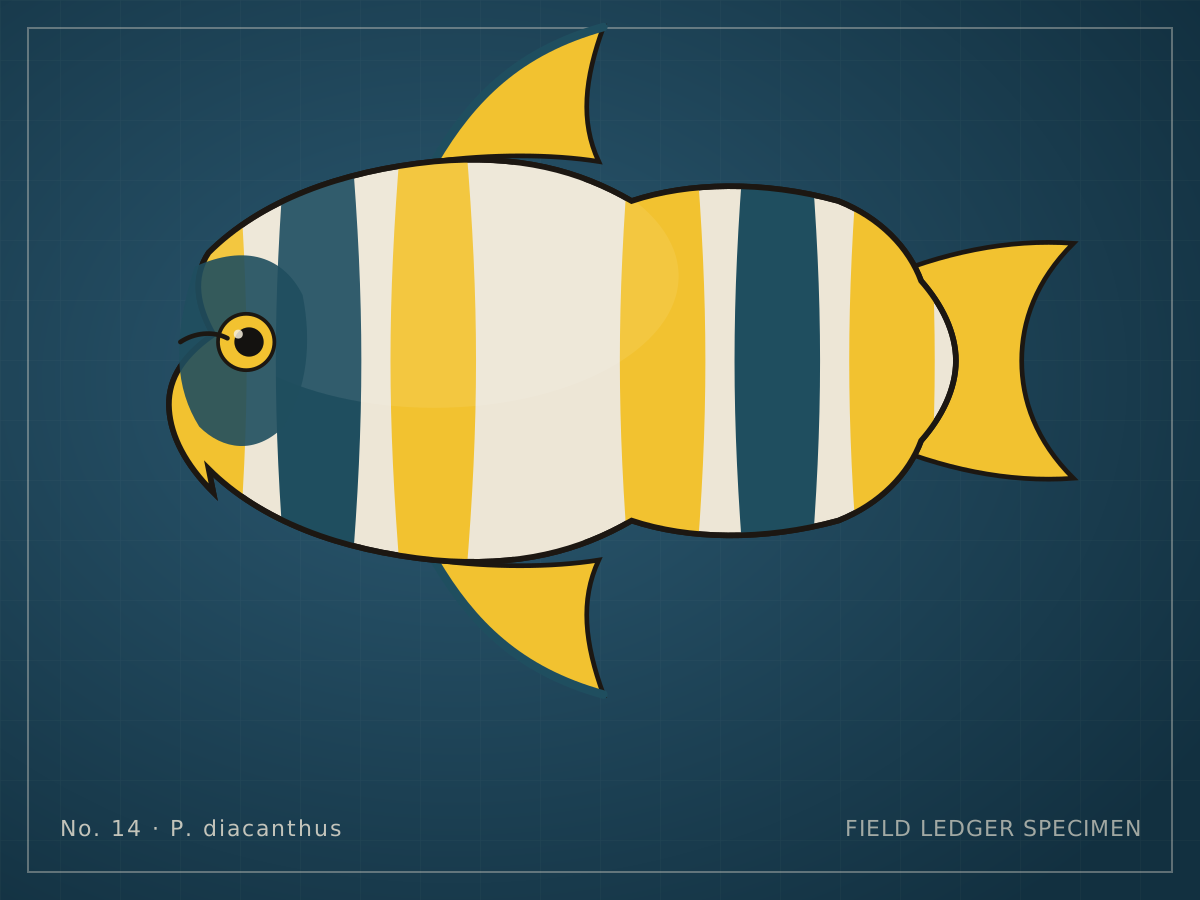
Bold yellow, blue, and white stripes on a shy but strikingly patterned marine angelfish that requires a large, stable tank and an experienced keeper.
| Scientific name | Pygoplites diacanthus |
|---|---|
| Family | Pomacanthidae (marine angelfish) |
| Origin | Indo-Pacific, Red Sea, Great Barrier Reef |
| Adult size | Up to 10 in (25 cm) |
| Minimum tank | 125 gal (475 L) |
| Water | 72–82°F, SG 1.020–1.025, nitrates <10 ppm |
| Reef safety | Semi-reef safe |
| Diet | Omnivore; sponge, tunicates, meaty foods, marine algae |
| Temperament | Shy but territorial once established |
| Lifespan | 10–15 years with proper care |
The Regal Angelfish (Pygoplites diacanthus) is a stunning saltwater species known for its bold yellow, blue, and white stripes. It requires a large, stable marine tank, a carefully balanced diet, and is best kept by experienced aquarists.
Where this page comes from, because it should affect how much weight you give it: I have kept freshwater angelfish since 1990, and have never kept a marine angelfish or run a reef tank. The saltwater pages here are compiled from the reef-keeping literature and from the reported experience of keepers who have — organised as clearly as I can manage, but not watched. Weigh them against the accounts of people who have actually kept these fish.
Appearance & Identification
Instantly recognizable by its alternating vertical stripes of yellow, white, and blue, with dorsal and anal fins edged in striking blue margins. Juveniles look similar to adults but often show slightly duller patterns; males and females are visually indistinguishable.
Behavior & Temperament
This species is shy and may hide for extended periods when first introduced. Once acclimated, it becomes more confident but can be territorial, particularly toward other angelfish. It thrives best in a peaceful tank without aggressive tank mates.
Tank Size & Setup
A large tank of at least 125 gallons is recommended for ample swimming space, with live rock providing caves and hiding spots. Strong water movement and stable conditions are essential, with moderate to bright lighting since Regal Angelfish often graze on encrusting organisms.
Water Parameters & Maintenance
Temperature 72–82°F (22–28°C), salinity 1.020–1.025. Nitrate should stay below 10 ppm and phosphate as close to zero as possible. Perform 15–20% water changes every 2 weeks, and quarantine new additions before introducing them.
Diet & Feeding Strategy
In the wild, Regal Angelfish feed primarily on sponges and tunicates. In captivity, offer a varied diet of frozen mysis, brine shrimp, spirulina, and angelfish-specific preparations that include sponge matter. Feed small amounts 2–3 times daily; vitamin supplements help maintain color vibrancy and prevent deficiencies.
Compatibility & Tank Mates
- Suitable: peaceful tangs (Yellow, Kole, Tomini), clownfish, non-aggressive wrasses, gobies and blennies.
- Avoid: other angelfish (high aggression risk), large aggressive triggers, predatory eels or groupers.
Reef Safety
The Regal Angelfish is considered semi-reef safe. While some individuals ignore corals, many nip at large-polyp stony corals, zoanthids, and clam mantles. They're safer in fish-only with live rock (FOWLR) systems than full reef setups. See our full reef-safe angelfish guide for more detail.
Related Angelfish
Flame Angelfish
Four inches, 70 gallons, and a reef-safe reputation that needs qualifying.

Coral Beauty Angelfish
A four-inch dwarf that still wants 70 gallons. Care, diet and reef safety.
Reef Safe Angelfish
Which angelfish are reef-safe? Safest picks, with-caution dwarfs, and species to avoid.
Frequently Asked Questions
Are Regal Angelfish hard to keep?
Yes, they are considered challenging due to their specialized diet, need for stable water conditions, and tendency to refuse food when first introduced.
What do Regal Angelfish eat?
They eat sponges, tunicates, and algae in the wild. In captivity, they require sponge-based foods, mysis, and other marine preparations.
How big does a Regal Angelfish get?
They grow up to 10 inches (25 cm) as adults.
Can Regal Angelfish live in a reef tank?
They are semi-reef safe and may nip at corals, clams, and zoanthids. A fish-only with live rock setup is safer.
What tank size does a Regal Angelfish need?
A minimum of 125 gallons (475 liters) is recommended for long-term health and swimming space.
How long do Regal Angelfish live?
They can live 10–15 years in captivity with proper care.
Do Regal Angelfish need live rock?
Yes, live rock with caves and crevices is essential for grazing and hiding.