
Saltwater Angelfish: Species, Care and Reef Safety
Brightly colored marine fish from tropical reefs, prized for striking patterns, graceful movement, and species suited to large aquariums.
| Scientific group | Family Pomacanthidae (marine angelfish) |
|---|---|
| Common genera | Centropyge (dwarf), Pomacanthus, Holacanthus, Pygoplites (Regal), Apolemichthys, Genicanthus |
| Adult size | Dwarf 3–4 in; medium 6–12 in; large 12–18 in |
| Minimum tank | Varies by species — dwarf (Flame, Coral Beauty) 70 gal, Regal 125 gal, large (Emperor, Queen) 220–250 gal; check the individual species page |
| Water | 75–81°F, SG 1.023–1.026, pH 8.1–8.4 |
| Temperament | Semi-aggressive; usually one per tank, added to established systems last |
| Reef safety | Centropyge often reef-safe with caution; large angels usually not; Genicanthus generally reef-safe |
| Diet | Omnivore: marine algae, sponge-based foods, quality pellets/frozen |
| Lifespan | 8–15 years; large species can exceed 20 years |
| Difficulty | Intermediate–advanced; stable, mature marine systems recommended |
Few fish command attention in a marine aquarium quite like a saltwater angelfish. With vibrant colors, intricate patterns, and graceful movement, these are often the crowning jewel of a reef tank or a dedicated Fish-Only-With-Live-Rock (FOWLR) system — from diminutive pygmy angels to grand emperors.
Unlike their freshwater cousins, saltwater angelfish demand pristine water quality, specific diets, and careful consideration of tank mates. This guide covers the essentials for keeping these stunning fish thriving.
The Regal Family: Genera of Saltwater Angelfish
Saltwater angelfish belong to the family Pomacanthidae, encompassing several genera, each with distinct characteristics and care levels — from the small, hardy Centropyge dwarfs to the large, showpiece Pomacanthus and Holacanthus angels.
Where this page comes from, because it should affect how much weight you give it: I have kept freshwater angelfish since 1990, and have never kept a marine angelfish or run a reef tank. The saltwater pages here are compiled from the reef-keeping literature and from the reported experience of keepers who have — organised as clearly as I can manage, but not watched. Weigh them against the accounts of people who have actually kept these fish.
Gallery of Saltwater Angelfish Types
Reef Safe Angelfish
Which angelfish are reef-safe? Safest picks, with-caution dwarfs, and species to avoid.
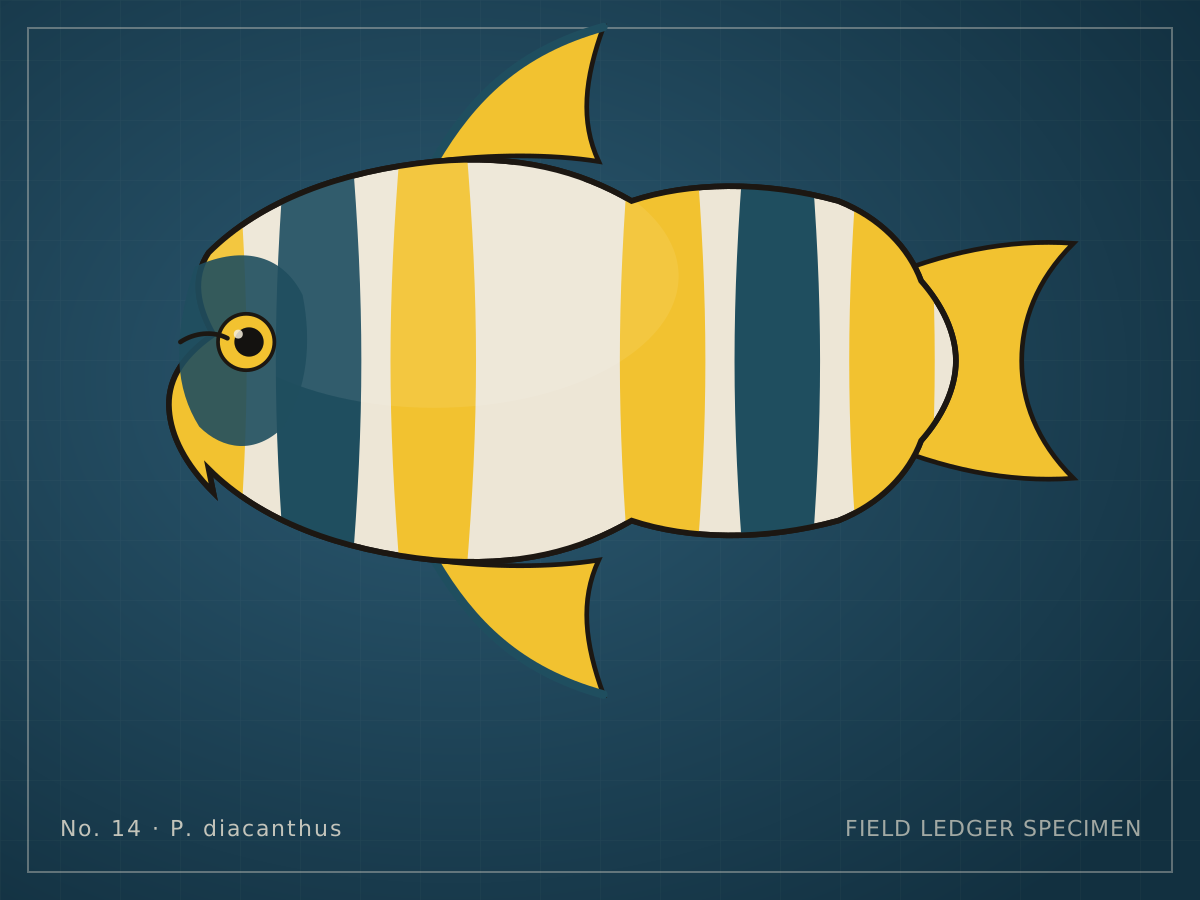
Regal Angelfish
Bold yellow, blue, and white stripes. Requires a large, stable marine tank.

Coral Beauty Angelfish
Deep blue body with a vibrant orange head. Tank size, diet, and reef safety covered.
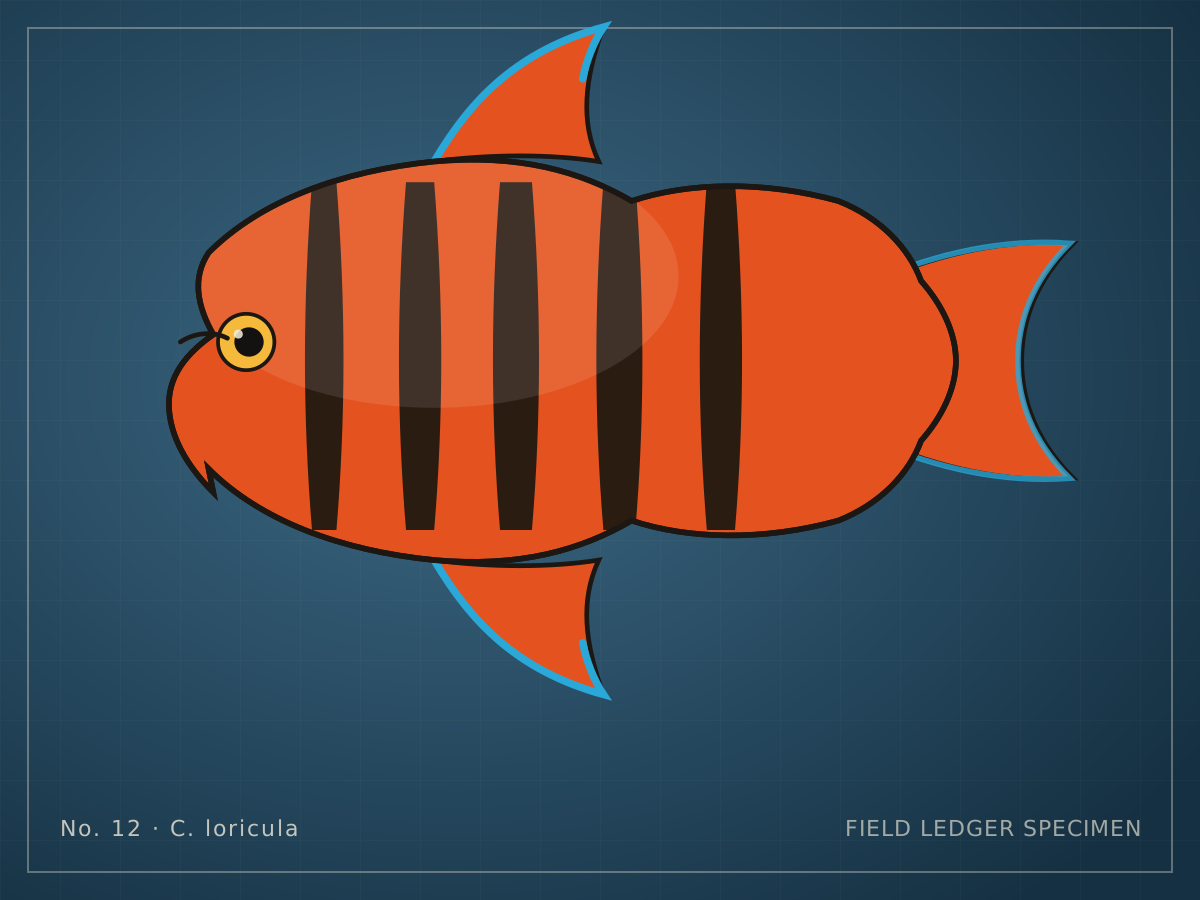
Flame Angelfish
Brilliant red-orange with vertical black bars. The truth about its reef-safe reputation.
Queen Angelfish
Vibrant blue and yellow body with a distinct crown-like spot.

Emperor Angelfish
Bold blue, yellow, and black stripes — one of the most iconic saltwater angelfish.
Essential Aquarium Setup
Tank Size: Bigger Is Always Better
This is arguably the most critical factor, especially for larger species.
- Dwarf angelfish (Centropyge): minimum 70 gallons for a single Coral Beauty or Flame; keeping more than one dwarf needs a very large system.
- Swallowtail angelfish (Genicanthus): minimum 75–125 gallons.
- Large angelfish (Pomacanthus, Holacanthus, Chaetodontoplus): minimum 220 gallons for a single adult Emperor and 250 gallons for a Queen; more again for multiples.
Water Parameters
Marine angelfish are sensitive to water quality — stability and purity are paramount: salinity 1.023–1.026 SG, temperature 75–81°F, pH 8.1–8.4, ammonia/nitrite 0 ppm, nitrate under 20 ppm (FOWLR) or under 5 ppm (reef).
Filtration & Flow
A robust filtration system is non-negotiable: a properly sized protein skimmer, live rock and sand for biological filtration (1–1.5 lbs of live rock per gallon), and ideally a sump or refugium for stability. Moderate to strong flow mimics natural ocean currents.
Diet & Feeding
Saltwater angelfish are primarily omnivores. Offer high-quality marine angelfish flakes or pellets containing spirulina and marine algae, regular sheets of nori, and frozen mysis shrimp, brine shrimp, or chopped seafood. Feed small amounts 2–3 times a day.
Compatibility: Choosing Tank Mates Wisely
Dwarf angels (Centropyge) are generally reef-safe with caution — some may nip at LPS corals or zoanthids. Larger angels (Pomacanthus, Holacanthus, Chaetodontoplus) are typically not reef-safe and often consume corals and sponges; best kept FOWLR. Swallowtail angels (Genicanthus) are usually reef-safe planktivores. See our full reef-safe angelfish guide for the complete breakdown.
Avoid pairing with other angelfish (unless a proven pair in a very large tank), aggressive triggers, or puffers. Good tank mates include tangs, clownfish, gobies, blennies, wrasses, and peaceful damselfish. Add angelfish to the tank after more docile inhabitants are established.
Common Health Issues
- Marine ich (Cryptocaryon irritans): a common parasitic infection, best prevented with proper quarantine.
- Velvet (Amyloodinium ocellatum): another highly contagious parasite.
- Head and lateral line erosion (HLLE): often linked to poor water quality, nutritional gaps, or activated-carbon overuse.
- Fin rot: bacterial, usually from poor water quality or injury.
Prevention: a robust 4–6 week quarantine for all new arrivals, stable water parameters, a varied and nutritious diet, and minimal stress.
Frequently Asked Questions
What are saltwater angelfish?
Marine angelfish (family Pomacanthidae) are colorful reef fish known for striking patterns and laterally compressed, disc-shaped bodies.
Are saltwater angelfish reef-safe?
Dwarf Centropyge angels are reef-safe with caution and may nip LPS corals, zoanthids, and clams. Large angels are usually not reef-safe. Genicanthus species are generally considered reef-safe planktivores.
What tank size do they need?
Dwarf angels such as the Flame and Coral Beauty need at least 70 gallons, the Regal 125 gallons, and large angels such as the Emperor and Queen 220–250 gallons, with ample swimming space and rockwork.
How aggressive are they?
Many angels are semi-aggressive and territorial, especially toward similarly shaped fish. Add them last to established communities and provide plenty of hiding spaces.
Do juveniles look different from adults?
Yes. Many species, such as the Emperor Angelfish, undergo dramatic color and pattern changes from juvenile to adult stages.